 01
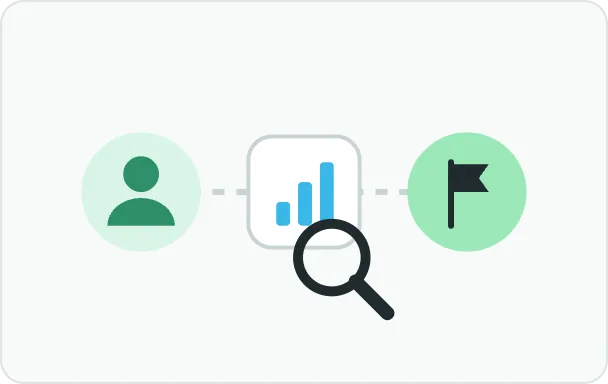
Understand the work
We map the problem, people, current tools, and what a better outcome looks like.
A focused scope
Clarity before complexity
We use prototypes to make ideas tangible, then build and validate the real workflow with the people who will rely on it.
01We map the problem, people, current tools, and what a better outcome looks like.
A focused scope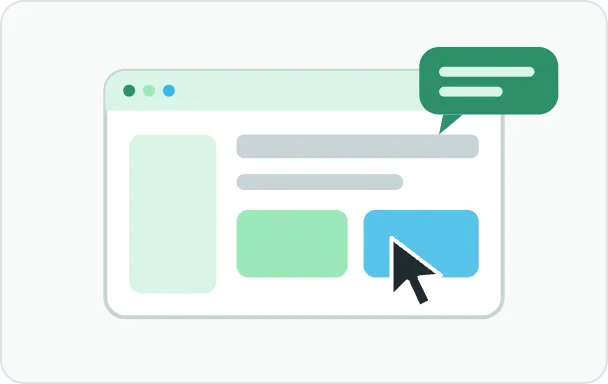 02
Review a working prototype. Shape the screens and process with the people who will use them.
A shared direction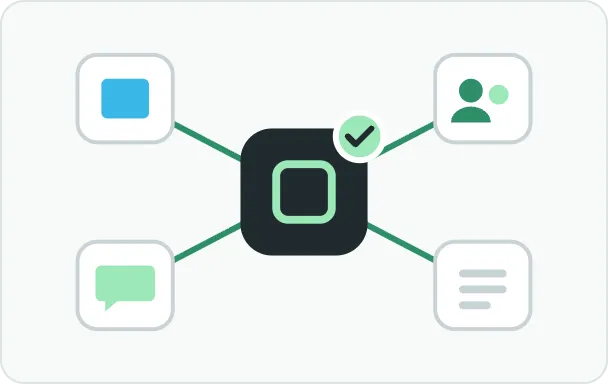 03
Develop the agreed system, integrate confirmed data sources, and test the complete workflow.
A usable system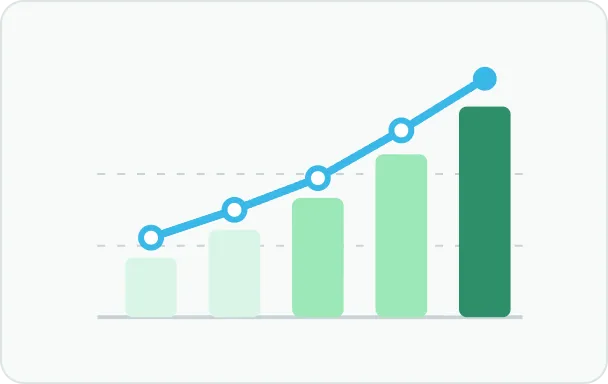 04
Help the team get started, review real usage, and plan the next improvements.
A practical way forwardWe agree the important records, user roles, workflow stages, and integrations before treating a project as ready for implementation. A prototype is a way to learn and align; it is not proof that every connection is already live.
A useful acceptance plan checks a complete business journey: an enquiry arrives, someone takes responsibility, the right information is available, and the next action is recorded. We agree what must work before launch.
Start with one valuable workflow. Keep later ideas visible without making the first release harder to use.
Confirm API access, versions, data fields, permissions, provider costs, and sync behavior before making promises.
Review the screens on the devices the team uses. Keep forms simple and make incomplete or failed actions clear.
Agree access, hosting, support, maintenance, ownership, exports, and responsibility for future changes.
We start by understanding how your business runs today and where work gets delayed, repeated or missed. Where useful, we use a prototype to make the proposed workflow clear before production development. Production work begins with an agreed paid scope.
Implementation and team training can be handled remotely. We agree meeting times, communication channels and support scope before starting. If on-site help is needed, it is arranged separately under a chargeable agreement.
Share the workflow you want to improve, and we can discuss a practical first step.
Discuss your workflowYour next step
Tell us what needs to change. We’ll help you find a practical starting point.